Achieve Optimal Health with 4 AUTISM
Discover the Benefits of 4 AUTISM
🧩 Autism Level 3 — Sensory Needs (Often Intense)
People with Autism Level 3 often experience very strong sensory sensitivities, which can quickly lead to distress, shutdown, or meltdown if not supported gently and consistently.
Below are the most common sensory sensitivities and how they may affect daily life.
🔊 Sound Sensitivity (Auditory Overload)


 5
5
Common Difficulties:
- Loud TV, music, vacuum cleaners
- Traffic, sirens, crowds
- Sudden noises (doors slamming, alarms)
- Multiple sounds at once
Possible Reactions:
- Covering ears
- Crying or screaming
- Running away
- Becoming withdrawn
Helpful Support:
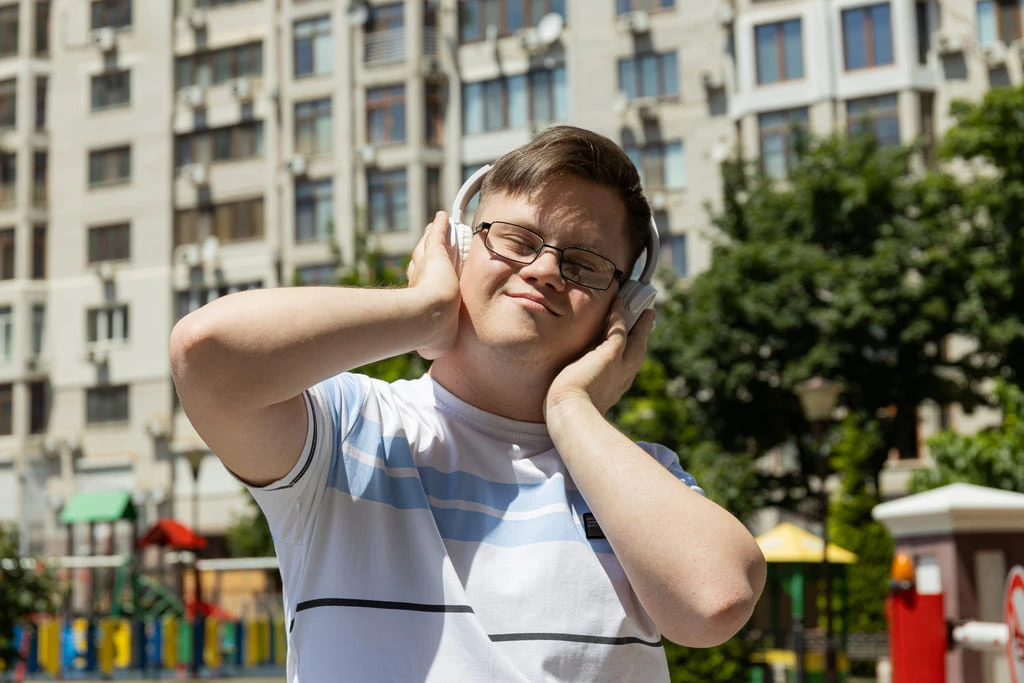
✅ Noise-cancelling headphones
✅ Quiet spaces
✅ Soft background music
✅ Warning before loud sounds
💡 Light Sensitivity (Visual Overload)



Common Difficulties:
- Bright lights
- Flickering bulbs
- Sunlight through windows
- Screens
Possible Reactions:
- Squinting
- Headaches
- Turning away
- Increased agitation
Helpful Support:
✅ Soft lamps
✅ Curtains/blinds
✅ Sunglasses indoors
✅ Reduced screen time
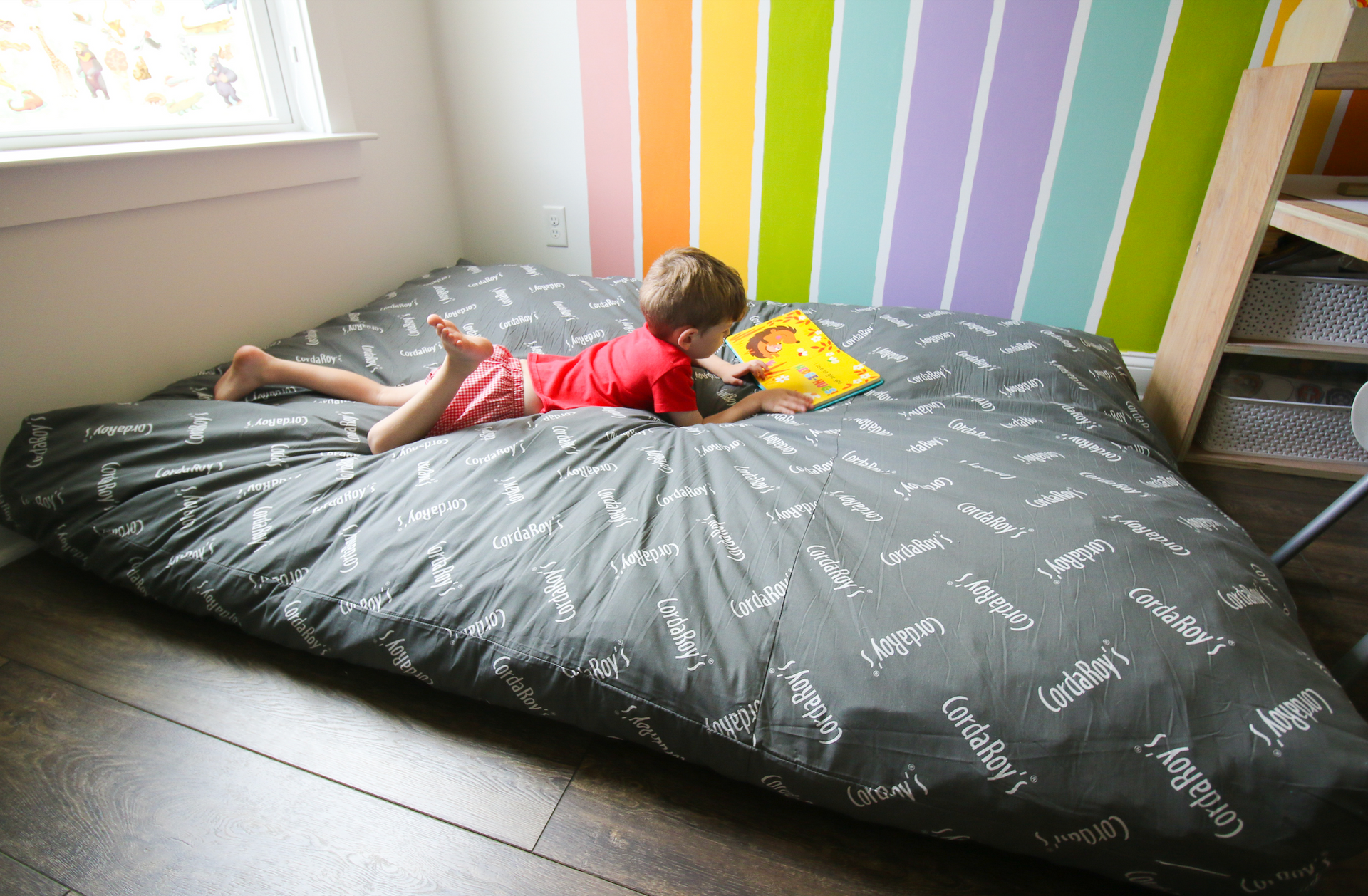
✋ Touch Sensitivity (Tactile Sensitivity)

 5
5
Common Difficulties:
- Clothing labels or seams
- Tight clothes
- Hair brushing
- Nail cutting
- Unexpected touch
Possible Reactions:
- Pulling clothes off
- Avoiding contact
- Meltdowns during grooming
- Refusing certain fabrics
Helpful Support:
✅ Tag-free clothes
✅ Soft fabrics (cotton, bamboo)
✅ Weighted blankets
✅ Gentle routines
👃🍽️ Smell & Taste Sensitivity
 5
5

Common Difficulties:
- Strong smells (perfume, cooking)
- Certain food textures
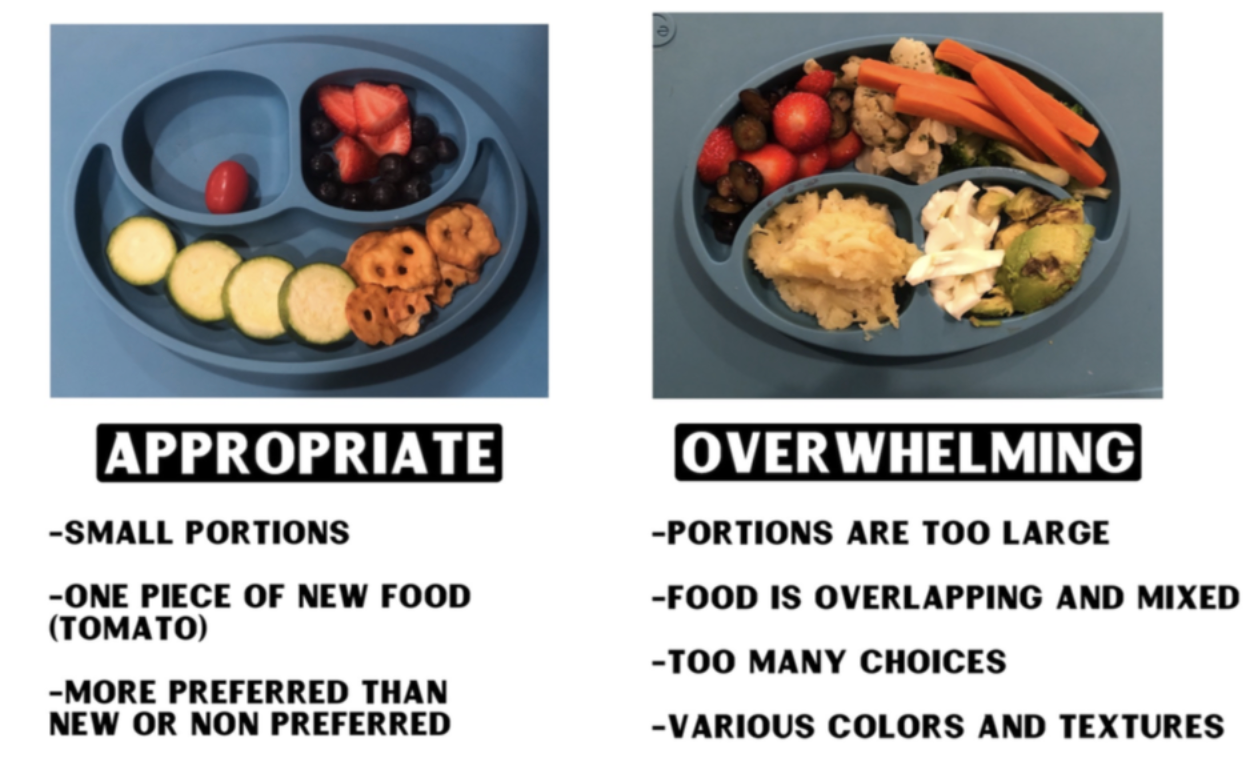
- Mixed foods
- New flavours
Possible Reactions:
- Refusing food
- Gagging
- Becoming upset at meals
- Eating very limited foods
Helpful Support:
✅ Familiar foods
✅ Simple plates (no mixing)
✅ Neutral smells
✅ Gradual food exposure
🧠 Body Awareness (Movement & Balance Sensitivity)

 5
5
Common Difficulties:
- Poor balance
- Feeling “disconnected” from body
- Discomfort when moving
- Needing constant motion
Possible Reactions:
- Rocking
- Spinning
- Pacing
- Crashing into objects
Helpful Support:
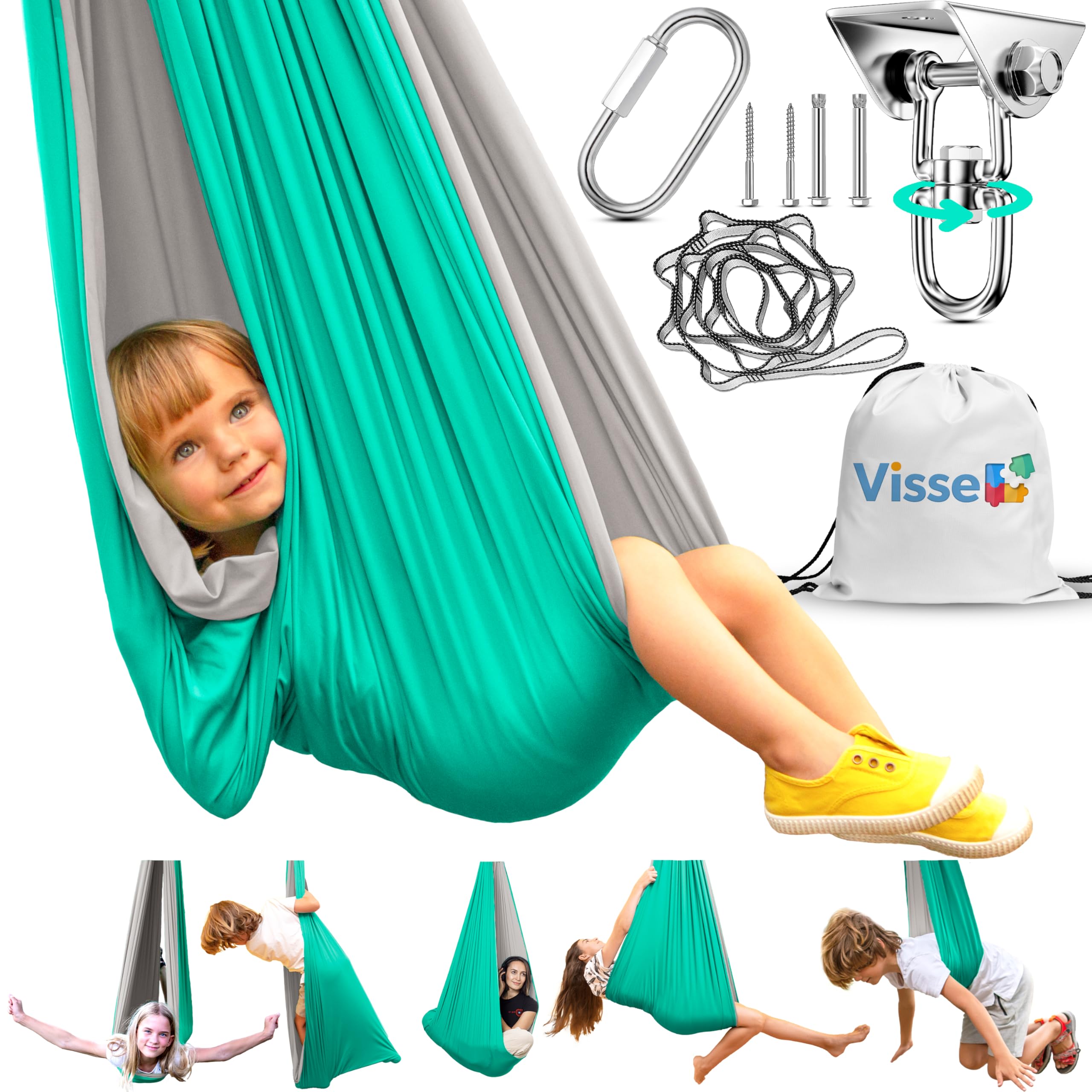
✅ Swinging
✅ Trampoline
✅ Deep pressure
✅ Gentle exercises
❤️ Why Sensory Support Is So Important (Level 3)
For Autism Level 3, sensory overload can quickly lead to:
⚠️ Meltdown
⚠️ Shutdown
⚠️ Loss of communication
⚠️ High anxiety
⚠️ Physical exhaustion
These are not bad behaviour — they are signs of distress.
They mean:
“My body is overwhelmed. I need help.”
🌱 Daily Sensory Support Plan (Simple Guide)
Morning
☀️ Soft light
🎧 Calm music
👕 Comfortable clothes
Daytime
🛋️ Quiet breaks
🎧 Headphones
🪑 Safe space
Evening
🌙 Dim lights
🫂 Weighted blanket
🎵 Relaxing sounds
Anytime Overload
🔁 One safe song
📷 Visual card “Quiet Time”
🛏️ Calm corner
🧩 Autism Level 3 — Sensory Needs (Often Intense)
People with Autism Level 3 often experience very strong sensory sensitivities, which can quickly lead to distress, shutdown, or meltdown if not supported gently and consistently.
Below are the most common sensory sensitivities and how they may affect daily life.
🔊 Sound Sensitivity (Auditory Overload)
5
Common Difficulties:
- Loud TV, music, vacuum cleaners
- Traffic, sirens, crowds
- Sudden noises (doors slamming, alarms)
- Multiple sounds at once
Possible Reactions:
- Covering ears
- Crying or screaming
- Running away
- Becoming withdrawn
Helpful Support:
✅ Noise-cancelling headphones
✅ Quiet spaces
✅ Soft background music
✅ Warning before loud sounds
💡 Light Sensitivity (Visual Overload)
Common Difficulties:
- Bright lights
- Flickering bulbs
- Sunlight through windows
- Screens
Possible Reactions:
- Squinting
- Headaches
- Turning away
- Increased agitation
Helpful Support:
✅ Soft lamps
✅ Curtains/blinds
✅ Sunglasses indoors
✅ Reduced screen time
✋ Touch Sensitivity (Tactile Sensitivity)
5
Common Difficulties:
- Clothing labels or seams
- Tight clothes
- Hair brushing
- Nail cutting
- Unexpected touch
Possible Reactions:
- Pulling clothes off
- Avoiding contact
- Meltdowns during grooming
- Refusing certain fabrics
Helpful Support:
✅ Tag-free clothes
✅ Soft fabrics (cotton, bamboo)
✅ Weighted blankets
✅ Gentle routines
👃🍽️ Smell & Taste Sensitivity
5
Common Difficulties:
- Strong smells (perfume, cooking)
- Certain food textures
- Mixed foods
- New flavours
Possible Reactions:
- Refusing food
- Gagging
- Becoming upset at meals
- Eating very limited foods
Helpful Support:
✅ Familiar foods
✅ Simple plates (no mixing)
✅ Neutral smells
✅ Gradual food exposure
🧠 Body Awareness (Movement & Balance Sensitivity)
5
Common Difficulties:
- Poor balance
- Feeling “disconnected” from body
- Discomfort when moving
- Needing constant motion
Possible Reactions:
- Rocking
- Spinning
- Pacing
- Crashing into objects
Helpful Support:
✅ Swinging
✅ Trampoline
✅ Deep pressure
✅ Gentle exercises
❤️ Why Sensory Support Is So Important (Level 3)
For Autism Level 3, sensory overload can quickly lead to:
⚠️ Meltdown
⚠️ Shutdown
⚠️ Loss of communication
⚠️ High anxiety
⚠️ Physical exhaustion
These are not bad behaviour — they are signs of distress.
They mean:
“My body is overwhelmed. I need help.”
🌱 Daily Sensory Support Plan (Simple Guide)
Morning
☀️ Soft light
🎧 Calm music
👕 Comfortable clothes
Daytime
🛋️ Quiet breaks
🎧 Headphones
🪑 Safe space
Evening
🌙 Dim lights
🫂 Weighted blanket
🎵 Relaxing sounds
Anytime Overload
🔁 One safe song
📷 Visual card “Quiet Time”
🛏️ Calm corner

Discover a Healthier You with 4 AUTISM
Welcome to 4 AUTISM Health Consulting
🔊 Noise, Crowds & Sudden Sounds — Sensory Sensitivity (Autism Level 3)
People with Autism Level 3 are often extremely sensitive to sound, especially in busy or unpredictable places. Even “normal” noise can feel painful, frightening, or overwhelming.
🎧 Noise & Crowd Overload

 5
5
🚨 Common Triggers
🔊 Loud or Constant Noise
- TV, radio, music
- Vacuum cleaner, washing machine
- Traffic, buses, trains
- People talking all at once
👥 Crowded Places
- Supermarkets
- Schools
- Shopping centres
- Hospitals
- Events & gatherings
⚡ Sudden Sounds
- Doors slamming
- Alarms
- Sirens
- Shouting
- Dropping objects
These sounds are unpredictable, which makes them even more stressful.
😣 Possible Reactions
When overwhelmed by noise or crowds, a person may:
- Cover ears
- Cry or scream
- Run away
- Freeze or shut down
- Hit, bite, or throw (out of distress)
- Stop communicating
⚠️ This is not bad behaviour.
It means: “I’m scared and overloaded.”
✅ Helpful Support Strategies
🎧 Reduce the Noise
✔️ Noise-cancelling headphones
✔️ Ear defenders
✔️ Quiet background music
✔️ Turn TV/radio down
🏠 Create Safe Spaces
✔️ Quiet room at home
✔️ Calm corner with cushions
✔️ Dim lights + soft sounds
✔️ Door closed when needed
📋 Prepare in Advance
✔️ Explain where you’re going
✔️ Show pictures first
✔️ Use “Now / Next” cards
✔️ Practice short visits
⏱️ Limit Exposure
✔️ Go at quiet times
✔️ Short trips only
✔️ Take regular breaks
✔️ Leave early if needed
🌿 Emergency Calming Plan (When Overload Starts)
If distress begins:
🛑 Step 1: Reduce sound
→ Headphones / quiet space
🫂 Step 2: Provide comfort
→ Weighted blanket / hug (if accepted)
🎵 Step 3: Use one “safe” sound
→ Favourite calm song on repeat
🕯️ Step 4: Lower stimulation
→ Lights down, voices soft
❤️ Key Message
For Autism Level 3:
Loud noise + crowds + sudden sounds
= Fear + confusion + overload
With the right support, this becomes:
Safety + calm + confidence 🌱
Light, Movement, and Visual Clutter — Autism Level 3
People with Autism Level 3 often experience very strong sensitivity to light, movement, and busy visual environments.
Bright lights, fast movement, or cluttered spaces can feel overwhelming, confusing, and distressing, making it hard to stay calm and focused.
Creating a visually calm environment is essential for comfort and wellbeing.
🧠 Why These Sensitivities Are So Strong
In Autism Level 3, the brain may:
- Struggle to filter visual information
- Notice every detail at once
- Become overloaded quickly
- Find it hard to focus on one thing
Too much visual input can cause stress and shutdown.
Overload is not behaviour — it is a physical response.
💡 Sensitivity to Light
Bright or harsh lighting may cause:
- Headaches or eye strain
- Agitation or anxiety
- Covering eyes
- Avoidance of rooms
- Increased meltdowns
Common triggers include:
- Fluorescent lights
- Flickering bulbs
- Strong sunlight
- Reflections
- Screens
🚶 Sensitivity to Movement
Fast or unexpected movement can feel frightening.
This may include:
- People walking past quickly
- Crowded spaces
- Escalators
- Busy classrooms
- Traffic
- TV screens with fast scenes
Movement overload can increase anxiety.
🖼️ Sensitivity to Visual Clutter
Busy environments can be very difficult.
Clutter may include:
- Too many posters
- Messy rooms
- Crowded shelves
- Lots of colours
- Busy patterns
Too much visual information makes it hard to relax.
⚠️ Signs of Visual Overload
Visual overload may show as:
- Covering eyes
- Turning away
- Crying or shouting
- Pacing or rocking
- Hiding
- Refusing to enter rooms
- Shutdown
These are signs of distress.
🛠️ How to Support Visual Sensitivities
Helpful strategies include:
Discover a Healthier You with 4 AUTISM
Welcome to 4 AUTISM!
Touch, Textures, and Temperature Changes — Autism Level 3
People with Autism Level 3 often experience very strong sensitivity to touch, textures, and changes in temperature.
Sensations that feel normal to others may feel painful, uncomfortable, or overwhelming, causing distress and difficulty with daily activities.
Respecting these sensitivities is essential for comfort and emotional safety.
🧠 Why These Sensitivities Are Strong
In Autism Level 3, the brain may:
- Process touch and temperature more intensely
- Struggle to filter physical sensations
- React quickly to discomfort
- Become overloaded easily
These responses are physical, not behavioural.
✋ Sensitivity to Touch
Touch sensitivities may include:
- Discomfort with hugs or physical contact
- Distress from unexpected touch
- Sensitivity to brushing hair or teeth
- Dislike of hand-holding
- Avoidance of crowded spaces
Even gentle touch can feel overwhelming.
👕 Sensitivity to Textures
Certain textures may cause strong discomfort, including:
- Clothing labels or seams
- Rough or stiff fabrics
- Wet or sticky surfaces
- Certain food textures
- Bedding materials
Texture discomfort can affect dressing and eating.
🌡️ Sensitivity to Temperature Changes
Sudden or extreme temperature changes may cause:
- Distress when entering hot or cold rooms
- Difficulty regulating body temperature
- Sensitivity to drafts or heaters
- Discomfort with sweating or cold skin
Temperature changes can feel intense.
⚠️ Signs of Sensory Distress
Distress may show as:
- Pulling away from touch
- Removing clothing
- Crying or shouting
- Agitation or withdrawal
- Refusal of activities
- Meltdowns
These are signs of overload.
🛠️ How to Support Touch and Temperature Needs
Helpful strategies include:
🌿 Touch
- Ask before touching
- Warn before personal care
- Respect boundaries
- Use firm, predictable touch if preferred
👕 Clothing & Textures
- Choose soft, seamless clothing
- Remove labels
- Let the person choose fabrics
- Use familiar bedding
🌡️ Temperature
- Dress in layers
- Keep rooms at steady temperatures
- Use blankets or cooling aids
- Avoid sudden changes
Support must be individual.
❤️ Key Message
For people with Autism Level 3, sensitivity to touch, textures, and temperature can be intense and distressing.
Respecting these needs helps reduce anxiety, build trust, and improve quality of life.
Comfort comes first.
Achieve Optimal Health with 4 AUTISM
Welcome to 4 AUTISM Health Consulting
Strong Reactions to Smells or Taste — Autism Level 3
People with Autism Level 3 often experience very strong sensitivity to smells and tastes.
Scents or flavours that seem mild to others can feel overpowering, unpleasant, or distressing.
These sensitivities can strongly affect eating, daily routines, and comfort.
🧠 Why Smell and Taste Sensitivities Are Strong
In Autism Level 3, the brain may:
- Process smell and taste more intensely
- Struggle to filter sensory input
- React quickly to unpleasant sensations
- Become overloaded easily
These reactions are physical, not behavioural.
👃 Sensitivity to Smells
Strong smells may cause distress, including:
- Perfume or aftershave
- Cleaning products
- Air fresheners
- Cooking odours
- Smoke or traffic fumes
Reactions may include covering the nose, gagging, or leaving the area.
👅 Sensitivity to Taste and Texture
Taste sensitivities may include:
- Strong dislike of bitter, sour, or spicy foods
- Preference for bland or familiar foods
- Rejection of mixed textures
- Sensitivity to temperature of food
- Gagging or vomiting with certain foods
Food can feel unsafe.
⚠️ Signs of Sensory Distress
Distress may show as:
- Refusing food
- Nausea or gagging
- Crying or shouting
- Pushing food away
- Leaving rooms with strong smells
- Meltdowns
These are signs of overload.
🛠️ How to Support Smell and Taste Needs
Helpful strategies include:
🌿 Smell
- Use unscented products
- Avoid strong perfumes
- Ventilate rooms well
- Cook when possible away from living areas
- Respect avoidance
🍽️ Taste & Eating
- Offer familiar “safe foods”
- Introduce new foods slowly
- Keep textures separate
- Avoid pressure to eat
- Use consistent routines
Support must be personalised.
❤️ Key Message
For people with Autism Level 3, strong reactions to smells and tastes are real and distressing.
Respecting these sensitivities helps improve comfort, nutrition, and emotional wellbeing.
Food and environment should feel safe.
Discover a Healthier You with 4 AUTISM
Welcome to 4 AUTISM!
Overload Signs — Autism (Especially Level 3)
When sensory, emotional, or mental demands become too much, autistic people may experience overload.
This is the body and brain’s way of saying “I can’t cope right now.”
Overload is not bad behaviour — it is distress.
⚠️ Common Signs of Overload
Signs may include:
- Increased stimming (rocking, flapping, repeating sounds)
- Agitation or irritability
- Pacing or restlessness
- Covering ears or eyes
- Crying or shouting
- Trying to escape the situation
- Withdrawing or becoming very quiet (shutdown)
- Refusing interaction
Each person shows overload differently.
🧠 Why Overload Happens
Overload can be triggered by:
- Too much noise, light, or movement
- Busy or crowded environments
- Sudden changes
- Social pressure
- Fatigue
- Emotional stress
- Too many demands
When the brain is overwhelmed, coping skills disappear.
🛠️ What to Do When Overload Happens
When signs appear, act early:
🌿 Reduce Input
- Lower noise and lighting
- Move to a quiet space
- Remove extra people
- Turn off screens if needed
📉 Lower Demands
- Stop non-essential tasks
- Pause instructions
- Avoid questions
- Reduce expectations
🏠 Return to a “Safe Routine”
- Go back to familiar activities
- Use comfort items
- Follow known routines
- Use calming music or silence
- Allow rest
Safety comes first.
❤️ How Support Helps
Responding calmly helps:
- Prevent meltdowns
- Reduce recovery time
- Build trust
- Improve emotional regulation
- Protect wellbeing
Your calm becomes their calm.
🌟 Key Message
Overload signs are signals of distress, not misbehaviour.
When they appear, reduce input, lower demands, and return to a safe routine.
Early support prevents crisis.